
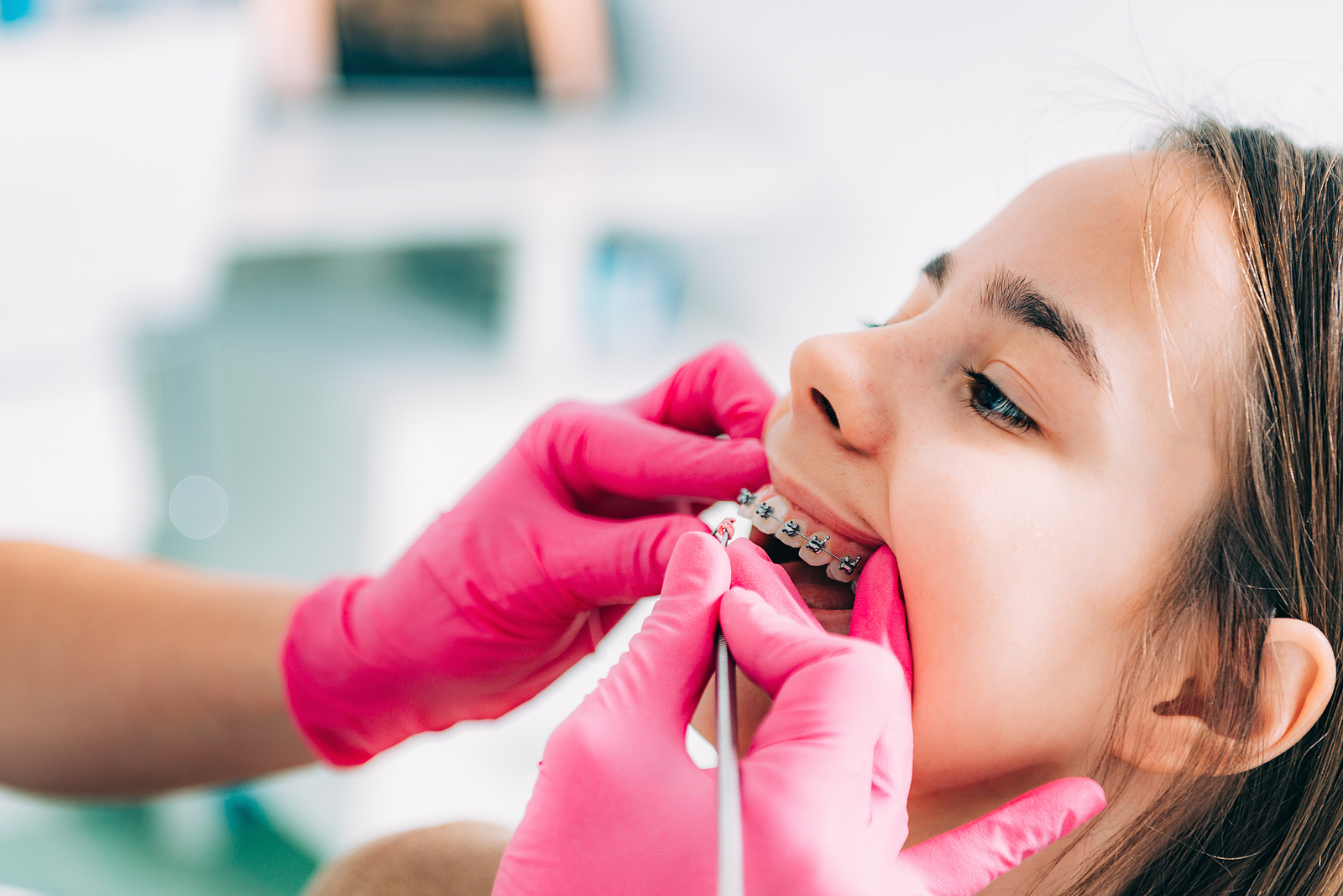
When Should Your Child Start Orthodontic Assessments?
Parents often wonder when the right time is for their child to see an orthodontist. The process of orthodontic assessment begins at an early age even though most children get braces during their teenage years. The recommended timing for orthodontic evaluation helps Gold Coast parents make proper choices about their child’s dental health and developmental progress.
The Importance of Early Orthodontic Assessment
Why Early Evaluation Matters
Orthodontists recommend children should get their first assessment between seven and eight years of age regardless of their teeth alignment. The evaluation process helps orthodontists detect possible issues which might emerge during the growth and development stages. Medical professionals view early detection of health issues as the most effective time for treatment because it typically results in less complicated medical procedures. Orthodontists use early assessment results to determine the best time for treatment initiation based on your child’s natural development process.
What Orthodontists Look For
The initial orthodontic evaluation process includes bite pattern analysis and jaw alignment assessment and tooth spacing evaluation and facial development examination. The evaluation process at orthodontists includes checking if both jaws grow correctly and assessing for dental space problems and alignment issues. The practitioners detect thumb sucking and tongue thrusting behaviors which influence dental growth. The evaluation provides a complete assessment that helps determine if immediate treatment remains necessary or if regular check-ups will suffice.
Developmental Stages and Treatment Timing
Phase One: Early Intervention (Ages 7-10)
Children display a combination of primary teeth and permanent teeth throughout this development stage. Orthodontists may recommend early intervention to guide jaw development, create space for emerging permanent teeth, or correct harmful habits. Early treatment can often prevent more extensive orthodontic work later.
Phase Two: Comprehensive Treatment (Ages 10-14)
Children typically develop their permanent teeth by age 12-13 which makes this period ideal for full orthodontic treatment when necessary. The treatment process for this age group usually requires 18 to 24 months because teeth respond better to movement during this period.
Phase Three: Refinement and Retention
After active treatment, retainers maintain results and allow for any final adjustments as facial growth completes.
Signs Your Child Might Need Orthodontic Treatment
The following signs indicate that your child needs to see an orthodontist for an evaluation. Professional assessment becomes necessary when teeth become crowded or overlap and when there are large spaces between teeth or when bite problems like overbite, underbite or crossbite occur or when teeth fail to close properly or when there is jaw clicking or discomfort. Orthodontic issues may present themselves through mouth breathing or problems with chewing or speaking.
Making the First Appointment
You should schedule your child’s first orthodontic assessment during their regular dental check-up appointments. General dentists in most cases will send their patients to specialists when the situation requires specialized care. Bring all your child’s medical records and explain any concerns regarding their dental bite and tooth positioning. Orthodontists provide information about treatment methods and expected treatment durations and financial expenses for their services.
Professional Orthodontic Care on the Gold Coast
The Gold Coast dental clinics provide full orthodontic diagnostic services and treatment plans for patients of all ages. The dental experts at our practice will examine your child’s dental development to establish the best timing for any required treatments.
Schedule your child’s orthodontic assessment today. Early evaluation can prevent more complex problems and help your child achieve a confident, healthy smile.