
Pregnancy & Dental Care: What’s Safe and What to Prioritise
Pregnancy Dental Care: Safe Treatments to Prioritise
Pregnancy triggers hormonal changes that can affect your gums within the first few weeks, making them more sensitive and prone to inflammation. Dentists on the Gold Coast provide targeted dental care for expectant mothers. Schedule a maternal oral health assessment with our clinical team to stop decay before it affects your child. We evaluate your changing hormone levels and your saliva’s acidity directly. Your daily brushing habits need immediate adjustment to handle these new biological stress factors effectively.
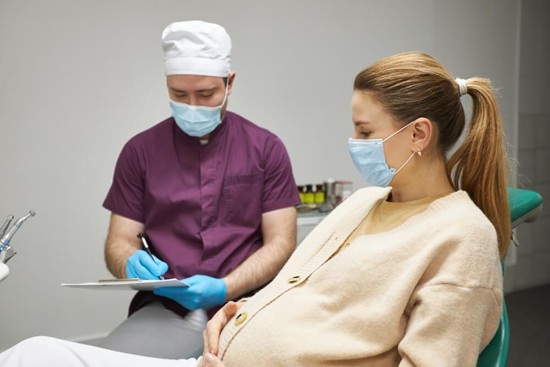
Identifying Typical Symptoms
Morning sickness can expose your teeth to stomach acid, which temporarily softens the enamel. Over time, repeated exposure may contribute to enamel erosion. Some people notice increased sensitivity to hot and cold, particularly in the first trimester.
After vomiting, rinse your mouth with plain water to help neutralise the acid, and wait about 30 minutes before brushing. Brushing too soon can wear away enamel while it’s still softened.
Pregnancy cravings may also increase your intake of sugary foods and drinks, which can raise the risk of tooth decay if oral hygiene isn’t maintained.
Paying attention to these changes and keeping up with good oral care can help prevent more serious dental issues during pregnancy.
Managing Pregnancy Gum Health
Surging progesterone levels cause massive blood flow increases to your gum tissues. This hormonal spike makes your gums extremely vulnerable to the plaque bacteria naturally living inside your mouth. You will likely notice your gums bleeding heavily when you floss, and this specific condition is known clinically as pregnancy gingivitis. Swollen tissues can trap food debris deep below the visible gum margin to create painful local infections. Controlling this aggressive bacterial activity requires strict daily hygiene routines:
- Switch to a soft-bristle brush to clean near the swollen gum line gently.
- Floss between every single tooth daily to dislodge trapped food particles.
- Attend professional scale and clean appointments every three months to remove hardened tartar.
Untreated gingivitis can progress to periodontitis, which has been linked to an increased risk of pregnancy complications such as preterm birth.
Booking Safe Dental Treatments
Medical professionals strongly advise expectant mothers to complete necessary dental work during their second trimester. Your baby finishes its major organ development by this stage, but you still feel comfortable enough to lay back in the dental chair for an hour. Routine checkups and physical cleanings remain completely harmless throughout your entire nine months. Local anaesthetics containing adrenaline are standard practice, so we numb your jaw safely without affecting your baby. Modern digital X-rays emit microscopic radiation levels; clinical teams only use them during severe dental emergencies to diagnose hidden infections quickly. Choosing safe dental treatments may help prevent minor cavities from turning into painful abscesses right before your due date.
Adjusting Your Daily Diet
Your baby drains calcium directly from your body during its skeletal development phase. You need to consume large amounts of dairy or leafy green vegetables to replenish this vital mineral stockpile consistently. Drinking fluoridated tap water strengthens your remaining enamel against daily acid attacks. Snacking on sugary treats constantly throughout the afternoon creates a permanent acidic environment inside your mouth. Swapping sweet snacks for crunchy vegetables physically scrubs sticky plaque off your teeth between formal brushing sessions.
Secure Your Maternal Dental Assessment
Protect your physical health before your baby arrives. Call Dentists on the Gold Coast directly on (07) 5531 2053 to book your pregnancy gum health checkup right now.